
.png?1651848432)
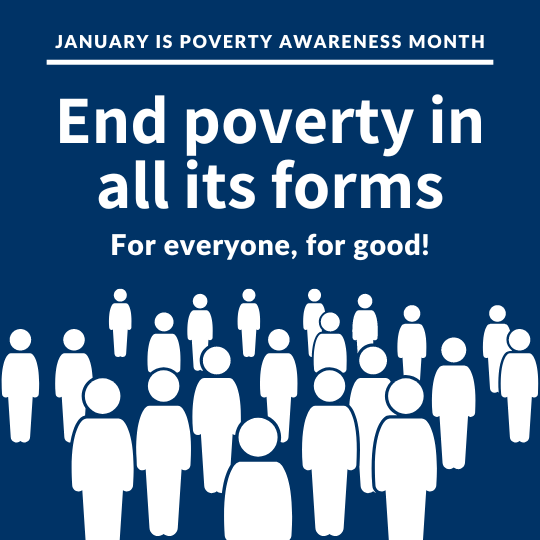
January is Poverty Awareness Month. It's an opportunity for individuals and organizations to raise awareness about poverty and to advocate for policies and programs that can help alleviate poverty and promote economic and social justice.
The origins of Poverty Awareness Month can be traced back to the 1960s, when President Lyndon B. Johnson declared the War on Poverty in an effort to address the high levels of poverty in the United States. In the decades since, the observance of Poverty Awareness Month has continued to grow and evolve, with individuals and organizations around the world working to raise awareness about poverty and advocate for policies and programs that can help alleviate it.
People living in poverty often face a variety of challenges that can impact their daily lives, well-being, and opportunities for the future. Some of these challenges may include:
-
Lack of access to resources: People living in poverty may lack access to resources such as affordable housing, healthcare, education, and transportation. This can make it difficult for them to meet their basic needs and to participate fully in society.
-
Limited economic opportunities: Poverty can limit people's economic opportunities, making it difficult for them to find and maintain stable employment, earn a living wage, or save money for the future.
-
Health problems: People living in poverty may be more likely to experience poor health outcomes due to a lack of access to healthcare and other resources. They may also be more exposed to environmental and social conditions that can impact their health.
-
Stigma and discrimination: People living in poverty may face stigma and discrimination from others, which can further limit their opportunities and make it more difficult for them to access resources and support.
-
Stress and other mental health issues: Poverty can be a significant source of stress and can contribute to mental health issues such as depression and anxiety.
In Kansas, it is particularly important to celebrate Poverty Awareness Month as the poverty rate in the state was 12.2% in 2019, which is slightly higher than the national poverty rate of 11.8%. Observing Poverty Awareness Month in Kansas can help bring attention to the high levels of poverty in the state and the specific challenges that people living in poverty in Kansas face. It can also be an opportunity to advocate for policies and programs that can help alleviate poverty and promote economic and social justice in the state.
There are many ways that individuals and organizations can observe Poverty Awareness Month and make a difference in their communities. Here are a few ideas:
-
Educate yourself and others about poverty: Take the time to learn about the causes and consequences of poverty, as well as the policies and programs that can help address it. Share this information with others through social media, blog posts, or other forms of communication.
-
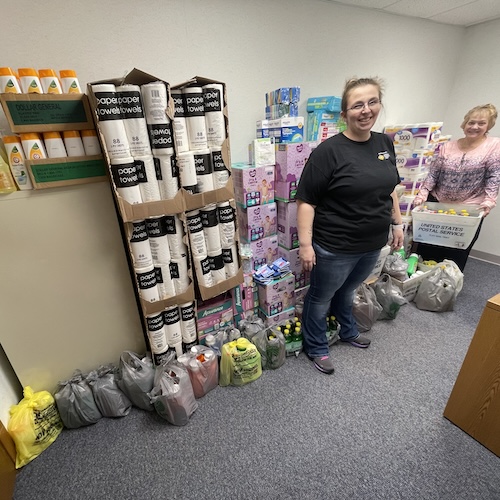
Volunteer your time and resources: Many organizations that work to combat poverty rely on volunteers to help with their efforts. Consider donating your time or resources to a local organization that is working to address poverty in your community.
-
Advocate for policies and programs that can help alleviate poverty: Contact your elected officials and advocate for policies and programs that can help address poverty and promote economic and social justice. This could include supporting initiatives like increasing the minimum wage, expanding access to affordable housing, or strengthening social safety net programs like SNAP (Supplemental Nutrition Assistance Program).
-
Support organizations that are working to combat poverty: Consider donating to organizations that are working to address poverty and promote economic and social justice in your community or globally.
By participating in Poverty Awareness Month and taking action to address poverty, we can work towards creating a more equitable and just society for all.